Start with what you actually need to power
The most common mistake in buying a solar or inverter system is starting with a budget or a brand instead of starting with a load list. Before anything else, list out what actually needs power — lights, fans, AC units, computers, refrigeration, pumps — and roughly how many hours a day each one runs.
Battery capacity depends on how long you need backup for
A system sized only for your daily load, with no thought given to how many hours of backup you need during an outage, will disappoint you the first time power stays off for an extended stretch. Battery capacity should be sized around realistic outage length, not just average daily use.
Inverter capacity has to match your peak load, not your average load
Appliances like AC units and pumps draw significantly more power at start-up than while running. An inverter sized only for average running load can trip or fail the moment several things switch on at once. Sizing needs to account for that peak, not just the steady-state number.
Professional installation matters as much as the equipment
Even correctly sized equipment underperforms — or becomes a safety risk — if wiring, mounting and configuration aren't done properly. This is as much an installation problem as an equipment-buying one.
Where this fits with FAF
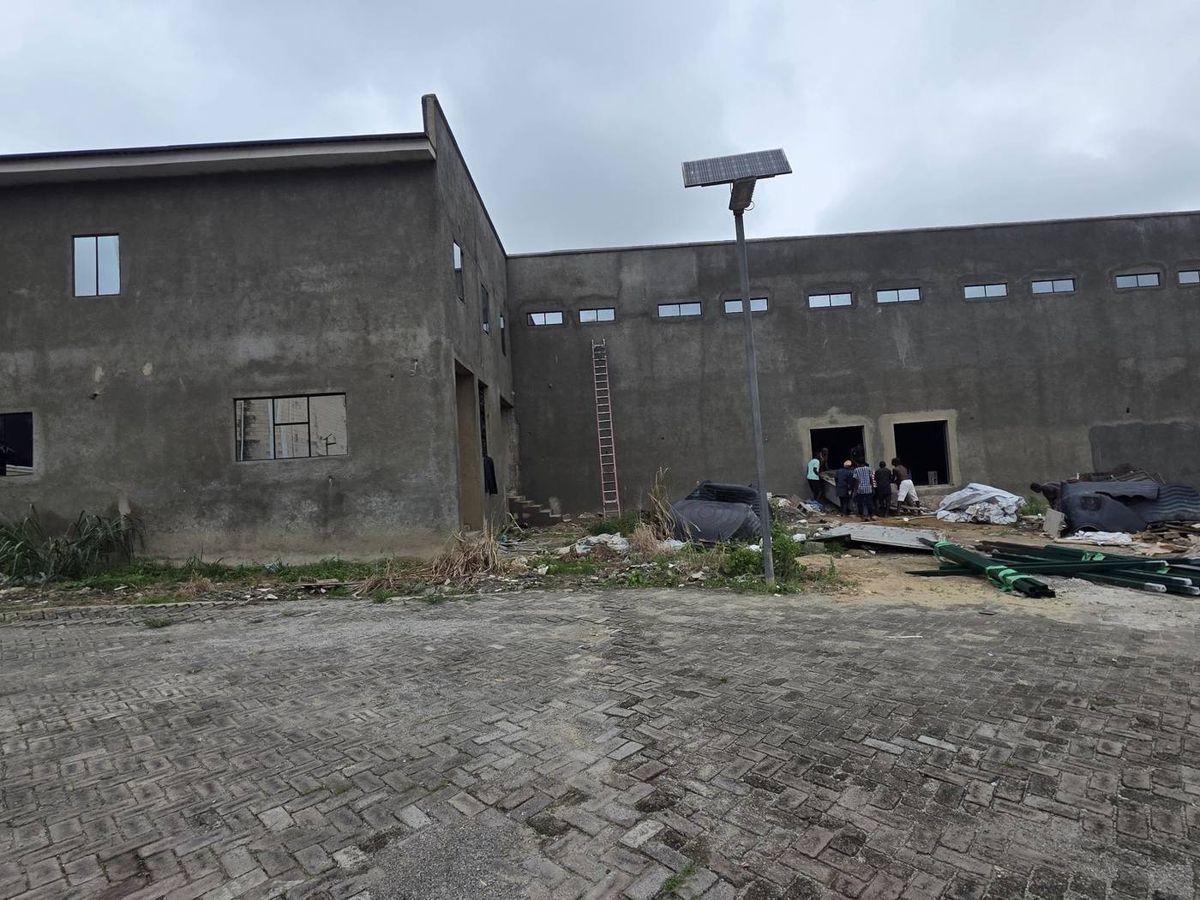
FAF Global Resources Limited's Solar & Power Solutions division installs solar lighting and house inverter systems sized to a property's actual usage, including solar streetlights like the one shown here, rather than a generic package that may be over- or under-sized for what you actually need.